
The West Virginia Department of Health is urging residents affected by recent flooding to take precautions against illness and injury during cleanup as floodwaters contain sewage and contaminants that could pose serious health risks.
“Simple precautions and up-to-date vaccinations can help prevent serious infections and other complications following a flooding event,” said Acting State Health Officer and Acting Public Health Commissioner Dr. Mark McDaniel. “We encourage everyone to stay safe, follow guidance from local emergency management officials, and heed these recommendations as we work toward recovery.”
Protect Yourself During Cleanup
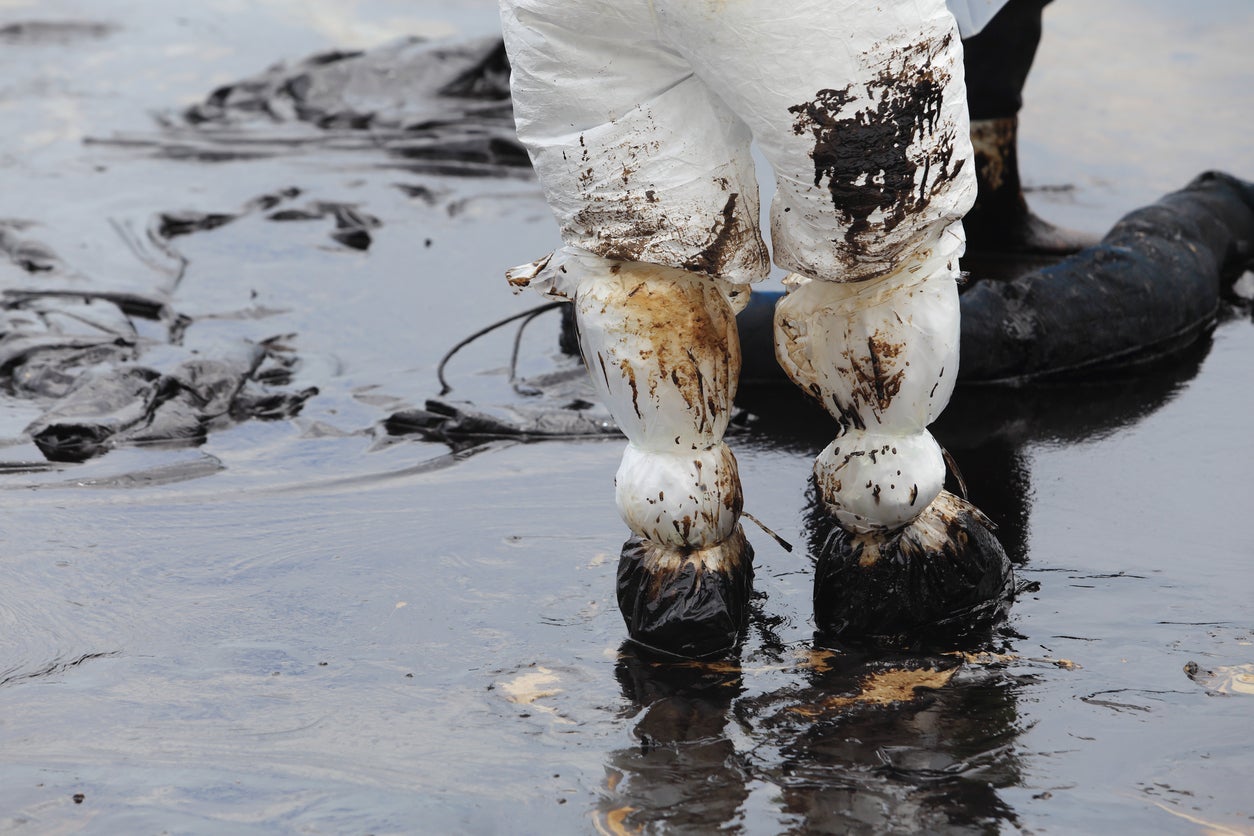
- Wear waterproof boots, gloves, and protective clothing during cleanup efforts.
- Wash hands thoroughly after contact with flood water.
Care for Wounds Immediately
- Wash cuts promptly with clean water and apply antibiotic ointment.
- Seek medical care for deep wounds or signs of infection, which can include redness, swelling, or drainage.
Food and Drinking Water Safety
- Discard any food, beverages, or medications that have touched floodwater.
- Use bottled water and follow local boil water advisories until tap water is cleared.
- Residents with private wells may have their water tested for contamination free of charge by coordinating with their respective Local Health Department.
- For more information visit: https://www.cdc.gov/water-emergency/about/how-to-disinfect-wells-after-an-emergency.html
Vaccination Recommendations
- Ensure tetanus vaccinations are current. A booster is recommended if it has been five or more years since an individual’s last shot and they sustain a contaminated wound.
When to Seek Medical Care
- An individual should seek medical care if they experience fever, persistent vomiting, diarrhea, or symptoms of carbon monoxide poisoning, which can include headache, shortness of breath, blurred vision, nausea or vomiting, and dizziness.
Stay Safe During Recovery
- Never operate generators indoors as the risk of carbon monoxide is fatal. Stay away from downed power lines and unstable structures.
The West Virginia Department of Health is currently coordinating with local and state partners to provide assistance where needed and support those impacted.