
Stroke Smart West Virginia
Stroke Smart West Virginia is a public health initiative that focuses on public education campaigns, partnerships with healthcare providers, and community engagement to ensure that residents understand the urgency of stroke symptoms and the importance of calling emergency services without delay. West Virginia declared itself Stroke Smart in May 2026.

Welcome to Stroke Smart West Virginia
Brain Basics
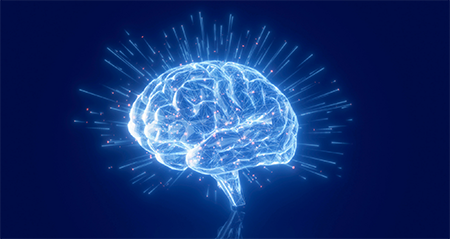
The brain provides many important functions. It helps control our thoughts, memory, speech, body movement, and helps regulate our heart and breathing. In order to function normally, the brain needs a constant supply of blood and oxygen.
The brain’s many blood vessels carry blood and oxygen to specific regions in the brain. A stroke occurs when a blood flow is interrupted either by rupture of the blood vessel (hemorrhagic) or blockage of a blood vessel (Ischemic), resulting in lack of oxygen to a part of the brain. Brain tissue deprived of blood and oxygen dies and can no longer function properly.
A stroke can affect any part of the brain, and it can even affect the eyes and spine. The effects of stroke depend upon where the stroke occurred. The brain can be divided into regions or lobes that control various functions. Damage to a region may affect the function it controls.
Stroke Overview
What is a Stroke?
A stroke or "brain attack" is the No. 5 cause of death and a leading cause of serious, long-term disability in America. It is a medical emergency and occurs when a blood vessel bringing blood and oxygen to the brain gets blocked by a clot or ruptures. When this happens, part of the brain cannot get the blood and oxygen it needs to survive. This causes brain cells to stop working and die within minutes.
The effects of stroke may be permanent depending on how many cells die, where they are in the brain, and other factors.
Strokes can cause weakness (paralysis), sensory changes, dizziness, loss of balance, vision changes and can affect thinking, memory and speech, among other problems.
Types of Stroke
Ischemic stroke is caused by a blockage in an artery leading to or within the brain.
Hemorrhagic stroke is caused by ruptured blood vessels and results in bleeding in the brain.
Transient ischemic attacks occur when the blood supply to the brain is cut off for a short time without causing permanent damage. Stroke symptoms may last for a few minutes or up to 24 hours; often an indicator that a more severe stroke could be on the horizon. TIAs are sometimes called “mini strokes”.
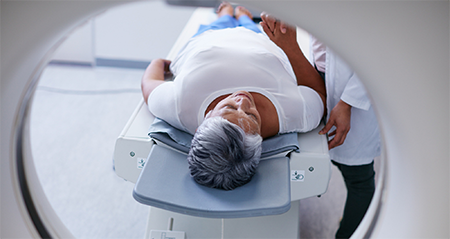
Reducing Stroke Risk & Treatment
You can reduce your stroke risk by controlling high blood pressure, managing cholesterol, quitting smoking, eating a healthy diet, staying physically active, maintaining a healthy weight, managing diabetes, and limiting alcohol consumption.
Immediate treatment may reduce the long-term effects of a stroke and even prevent death. Treatment will vary depending on what type of stroke you have but include clot-busting medications that can dissolve clots and restore blood flow to the brain or a procedure known as a mechanical thrombectomy where doctors use a catheter to remove a clot from a blocked artery in the brain.
Become a Stroke Smart County
Stroke Smart Counties
Counties across the state are encouraged to join the movement and proclaim themselves as Stroke Smart, recognizing their commitment to stroke awareness and education. Submit your completed proclamation to be added to the Stroke Smart West Virginia County list.
Stroke Smart Proclamation Template
Resources
Downloadable Photos